The robots
are coming.
Robotics and automation are moving from the laboratory into everyday business.
Warehouses. Hotels. Restaurants. Manufacturing. Retail. Healthcare. Construction. Agriculture. Offices.
The question isn't whether automation will change your industry.
It's how much money it can save your business.
Independent · Technology-neutral · Focused on business results
01 — The problem
Your business was designed around human labour.That is about to change.
For decades, businesses have designed their operations around what people can do. That assumption is changing.
Robots can now move goods, clean buildings, inspect infrastructure, transport materials, count inventory, assist production, monitor facilities and perform an expanding range of repetitive physical tasks.
AI and software automation are transforming knowledge work at the same time.
But buying technology is not the starting point. Understanding your business is.
Don't buy a robot.
First find out what you should automate.
02 — How it works
We analyse work — not robots.
Every business is different. But almost every business consists of people performing combinations of the same fundamental tasks.
Move
Pick
Place
Clean
Inspect
Count
Sort
Pack
Assemble
Load
Deliver
Monitor
Secure
Prepare
Serve
Maintain
Process
Communicate
We analyse how work is performed inside your organisation and identify where existing or emerging technology could improve the economics.
Analyse my business03 — Free automation readiness check
How ready is your business for the robot revolution?
Answer twelve quick questions and receive your preliminary Automation Readiness Score. Takes under three minutes.
Start the check →04 — The professional audit
Don't guess.
Measure it.
Our Robotics & Automation Opportunity Audit examines how work actually happens inside your organisation — then turns what we find into numbers.
We identify
- Repetitive work
- High-cost processes
- Recruitment bottlenecks
- Safety issues
- Capacity constraints
- Existing automation opportunities
- Relevant commercially available technologies
We then model
- Current operating cost
- Automation potential
- Implementation cost
- Ongoing cost
- Potential annual saving
- Payback period
- Five-year economics
- Implementation priority
The method
05 — Sample output
23
Processes reviewed
71
Tasks analysed
12
Opportunities identified
Example opportunity
Pallet movement
- Current annual task cost
- £128,000
- Est. automated operating cost
- £76,000
- Potential annual saving
- £52,000
Opportunity score
81/100
Recommendation
PILOT
Illustrative example only. Actual results depend on the individual business, technology, operating environment and implementation.
06 — Three outcomes
Not everything should be automated.
Automate now
Proven technology. Strong economics. Practical implementation.
Pilot
Promising opportunity. Validate it in your environment before scaling.
Watch
Technology or economics are not ready yet. Review as the market develops.
Sometimes the right recommendation is to do nothing yet. Our job is to identify opportunities — not to sell you a particular robot.
07 — Technology neutrality
We don't make robots.That's the point.
No single manufacturer has the right solution for every business.
We evaluate robotics, automation, AI and other technologies according to the task that needs to be performed and the commercial outcome required.
We start with the problem. Then we find the technology.
08 — Industries
Where robots are going to work.
Choose your sector to start a readiness check tailored to it.
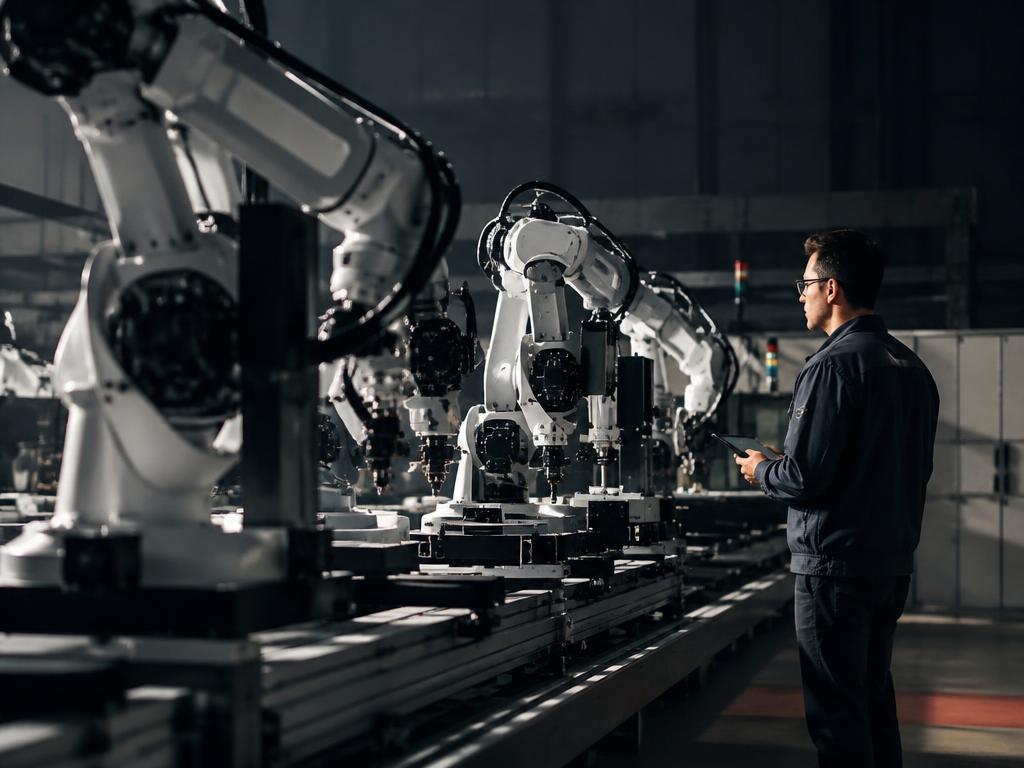
Manufacturing
Check my business →
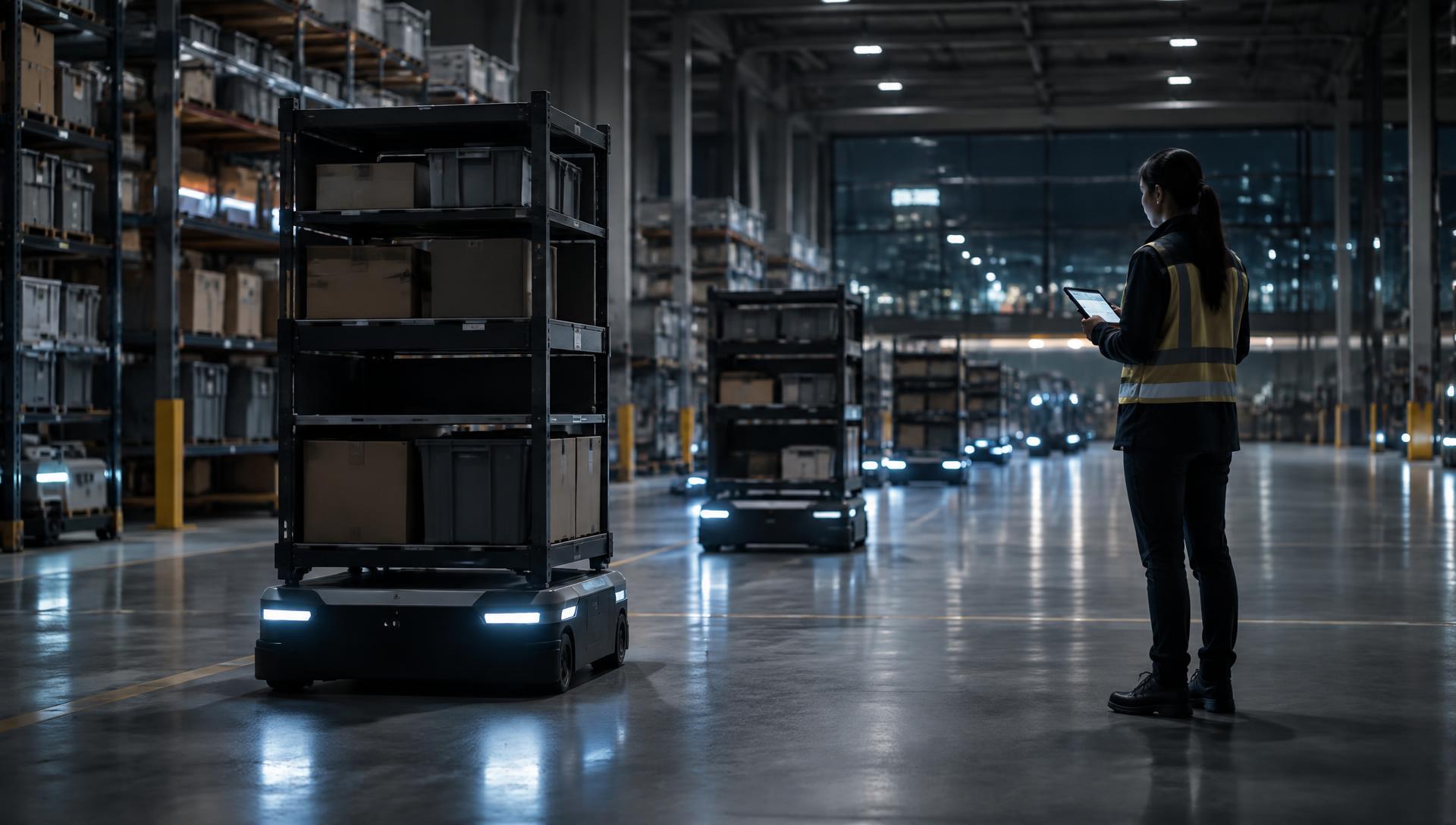
Warehousing & Logistics
Check my business →
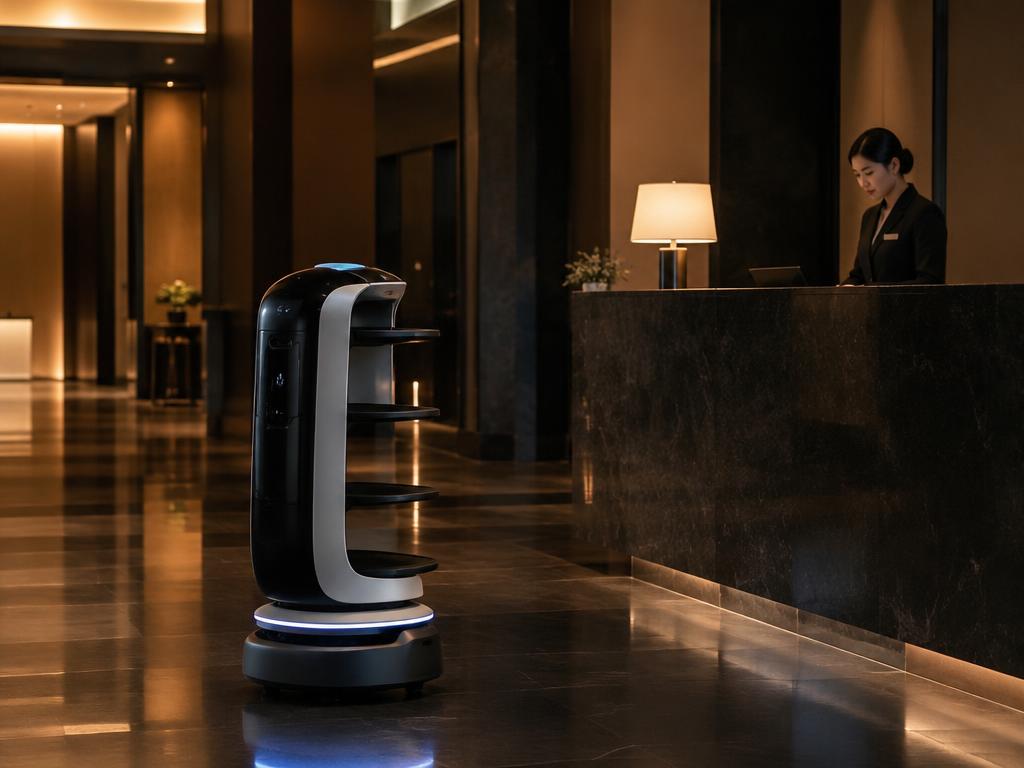
Hotels & Hospitality
Check my business →
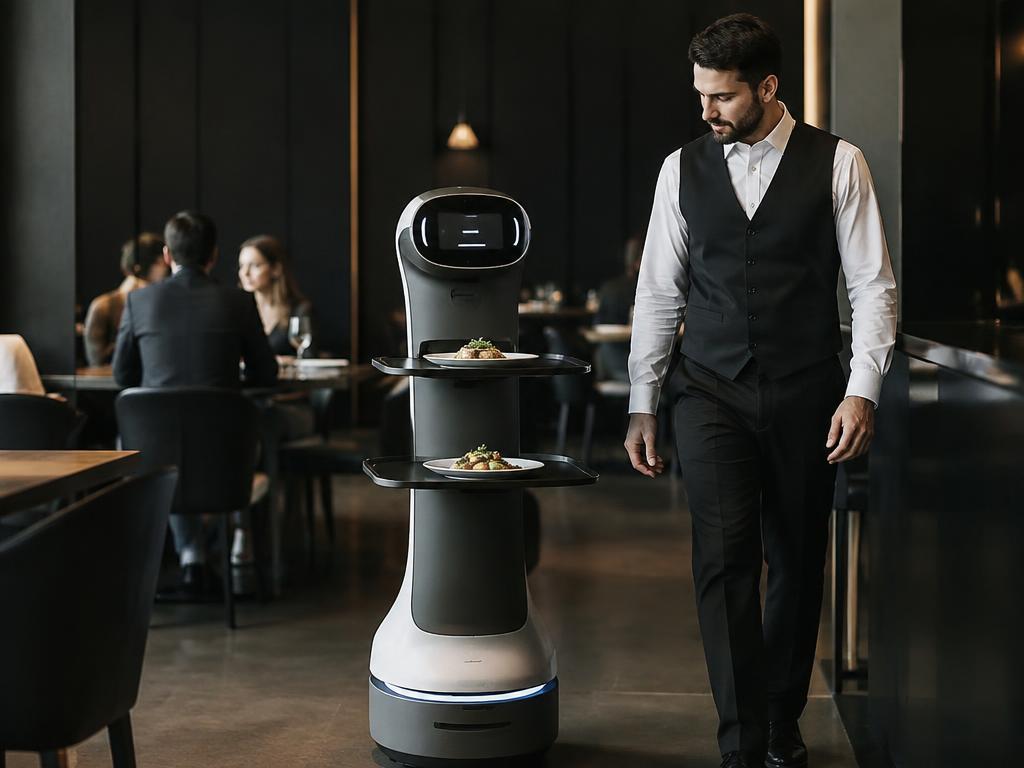
Restaurants & Food
Check my business →
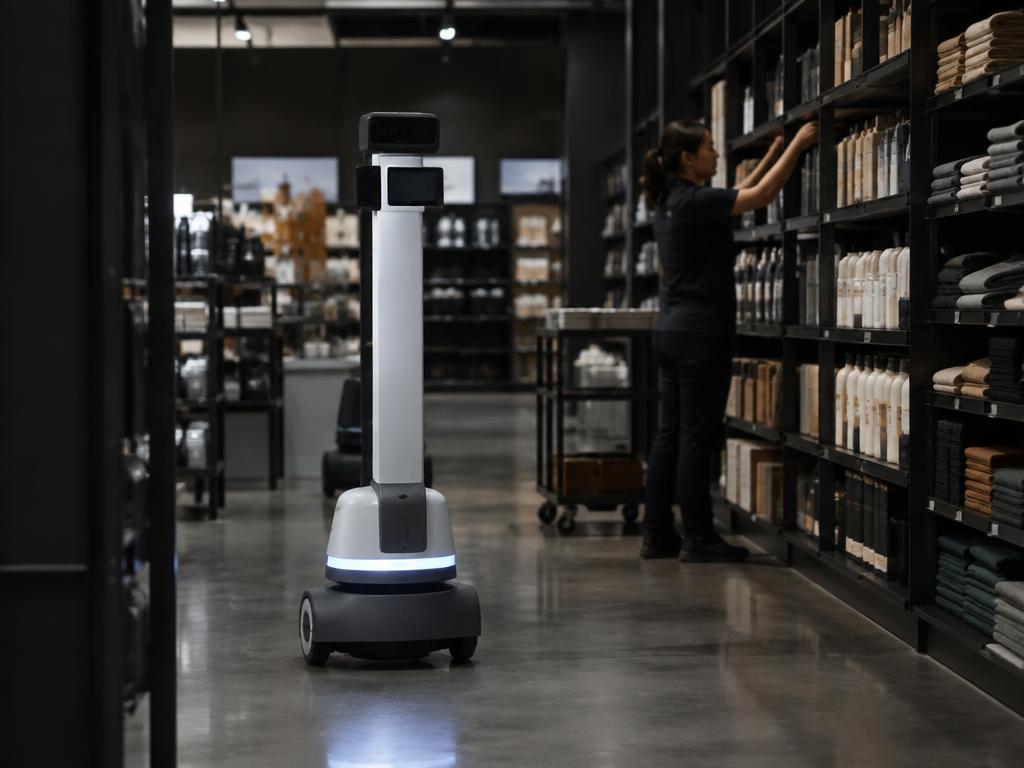
Retail
Check my business →
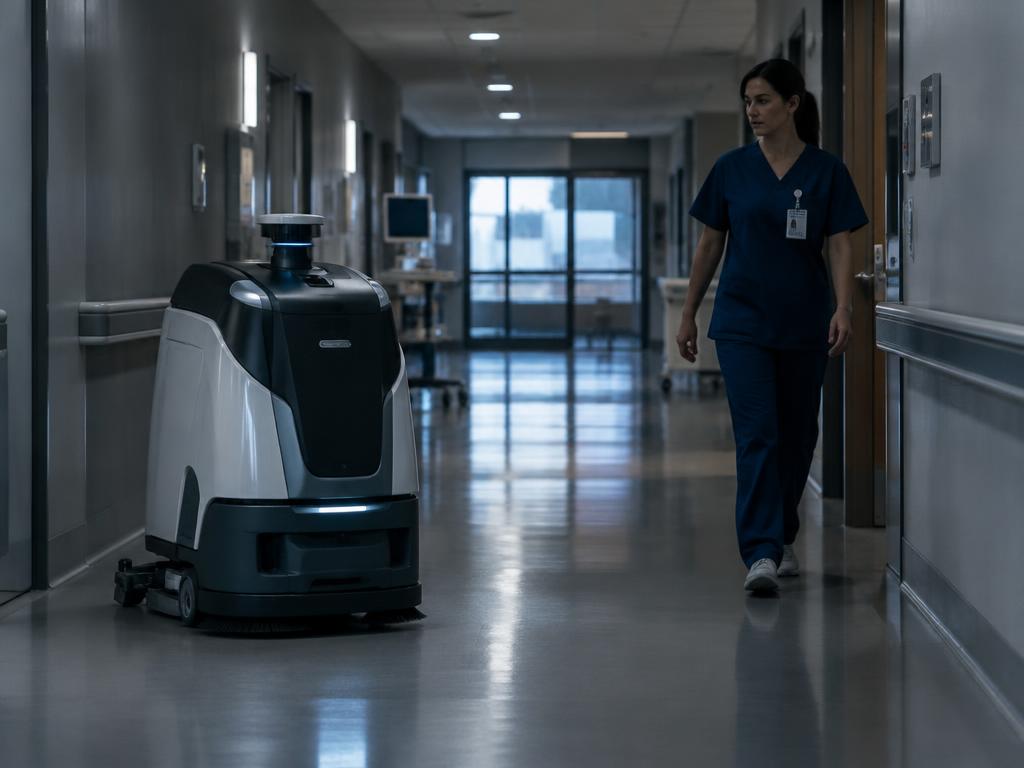
Healthcare & Care
Check my business →
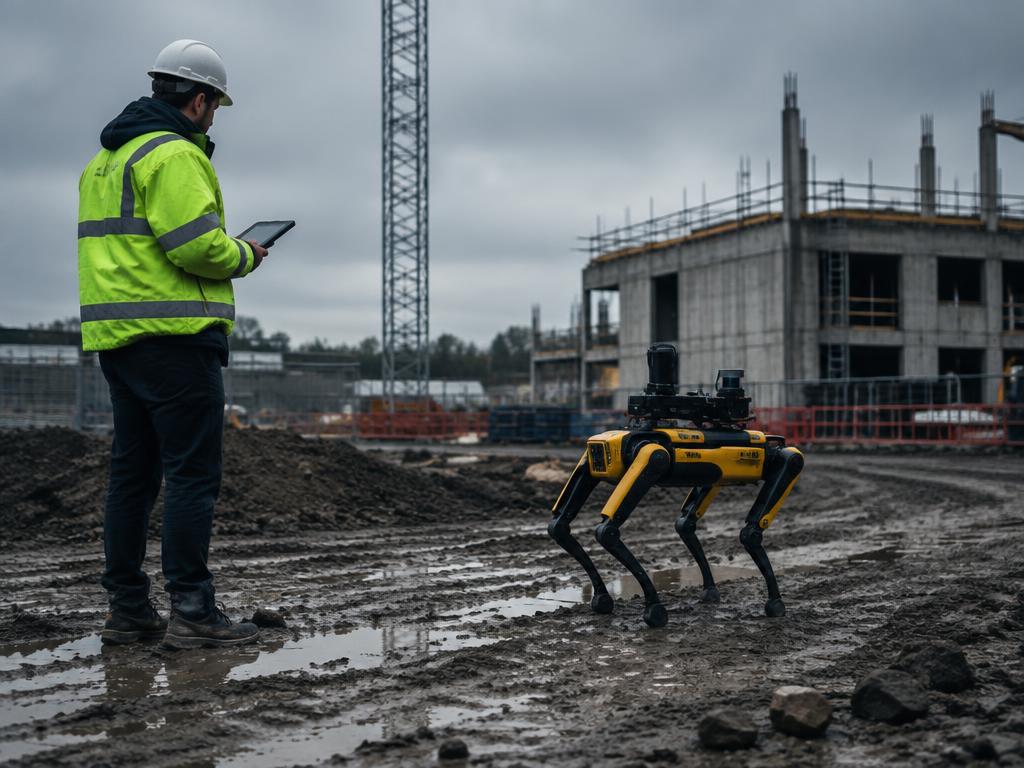
Construction
Check my business →
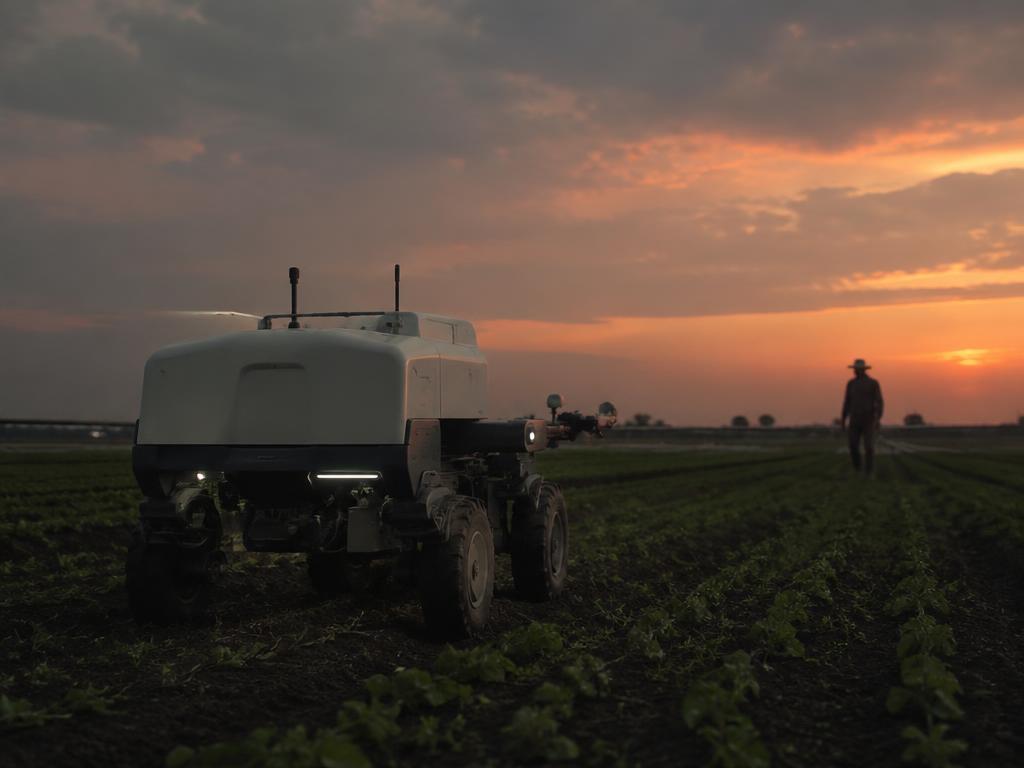
Agriculture
Check my business →
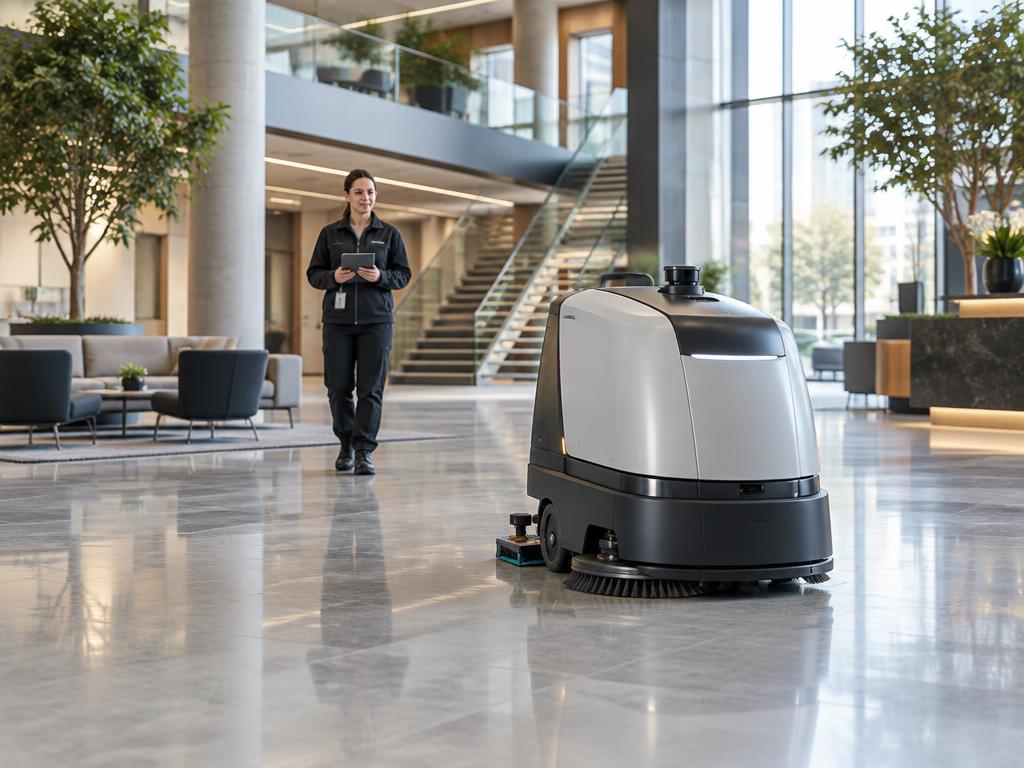
Facilities Management
Check my business →
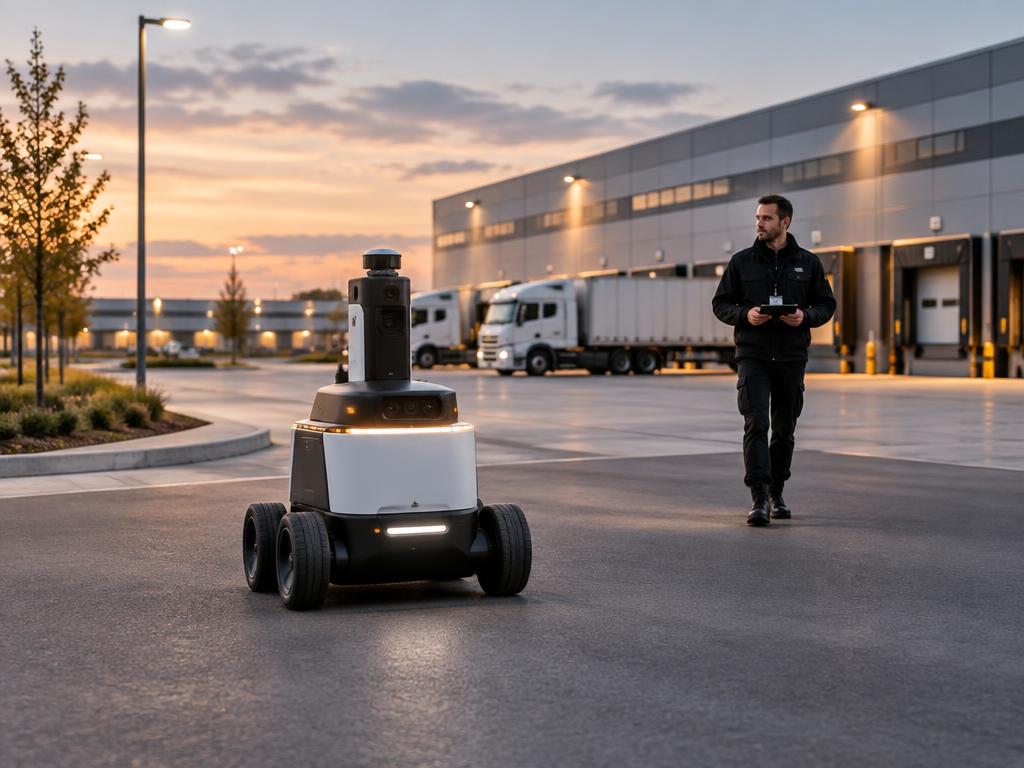
Security
Check my business →
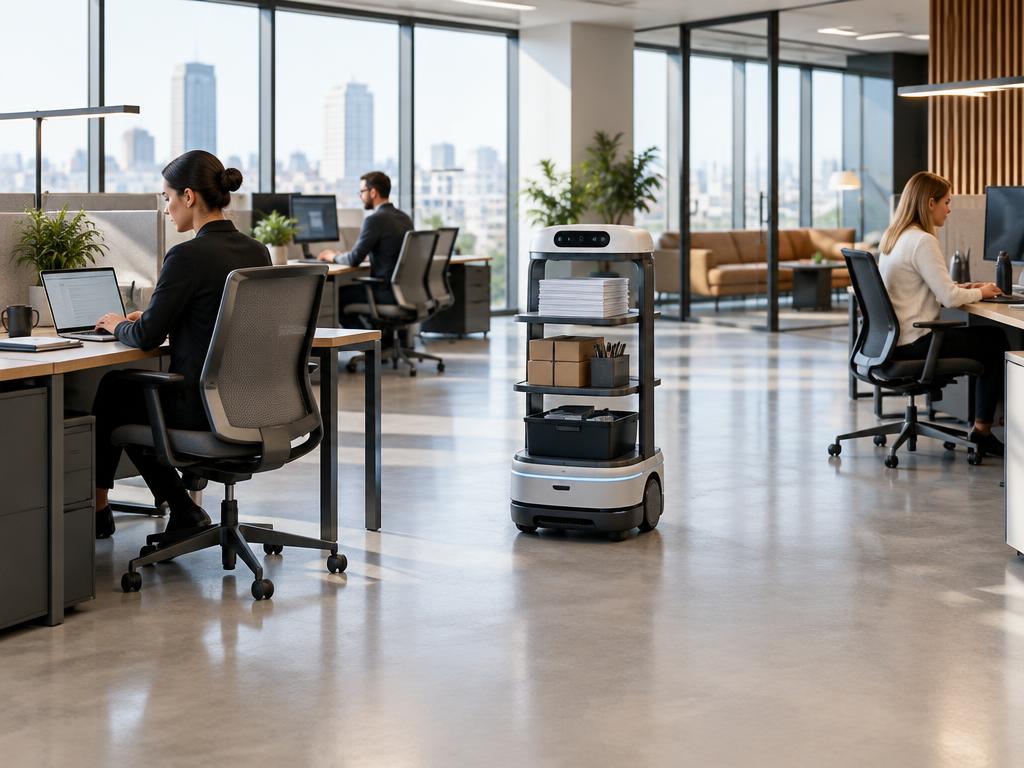
Offices
Check my business →
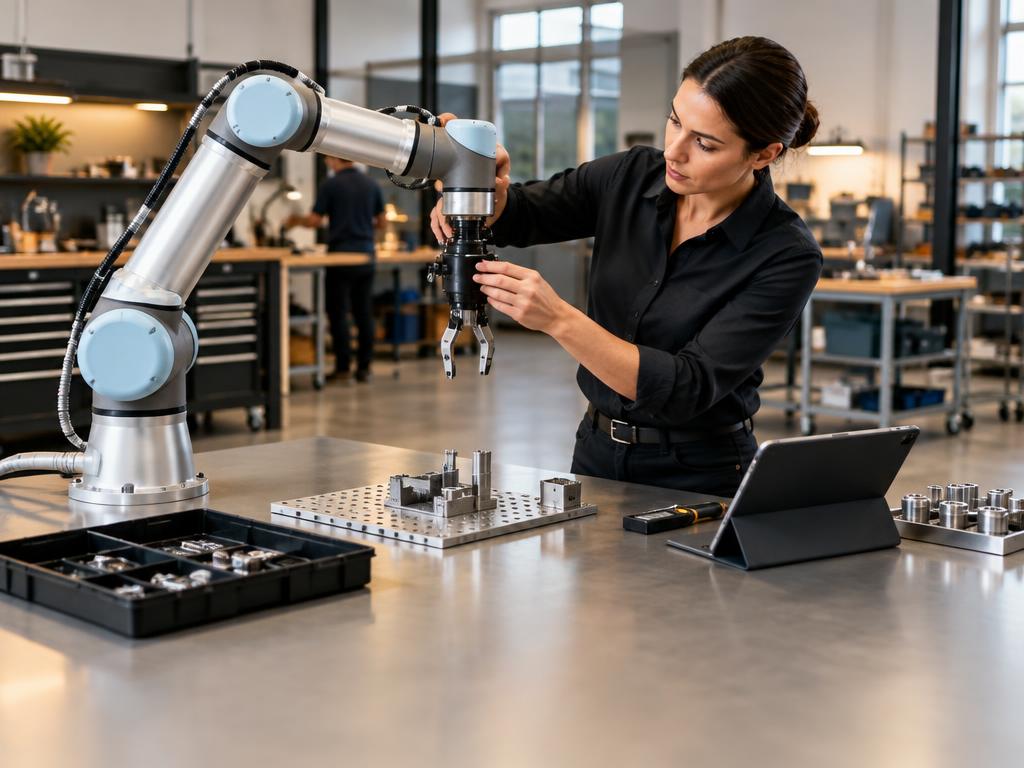
Other Industries
Check my business →
09 — The economics
A robot isn't expensive or cheap.The only question is whether the economics work.
Current cost
- Wages
- Employer costs
- Overtime
- Agency labour
- Recruitment
- Training
- Absence
- Supervision
versus Automated cost
- Equipment
- Finance / lease
- Installation
- Integration
- Software
- Maintenance
- Energy
- Human supervision
- Remaining labour
We turn automation into a business case.
10 — Why now
The technology is moving fast.
Capabilities that were experimental only a few years ago are becoming commercially deployable.
The winners will not necessarily be the businesses that buy robots first.
They will be the businesses that understand where automation creates value first.
11 — Insights
Free report
The Robots Are Coming2026 Business Automation Readiness Report
What business leaders need to know about the rapidly changing economics of robotics and automation.
Newsletter
The Robots Are Coming — Weekly
- Robots entering the workforce.
- New commercial deployments.
- Falling costs.
- New capabilities.
- Real-world ROI.
No science fiction. Just what business leaders need to know.
The robots
are coming.
The question is:
What are you going to do about it?